
£952m debt bill looms for new South West Hants council with a debt burden shift: Eastleigh down, New Forest and Test Valley up
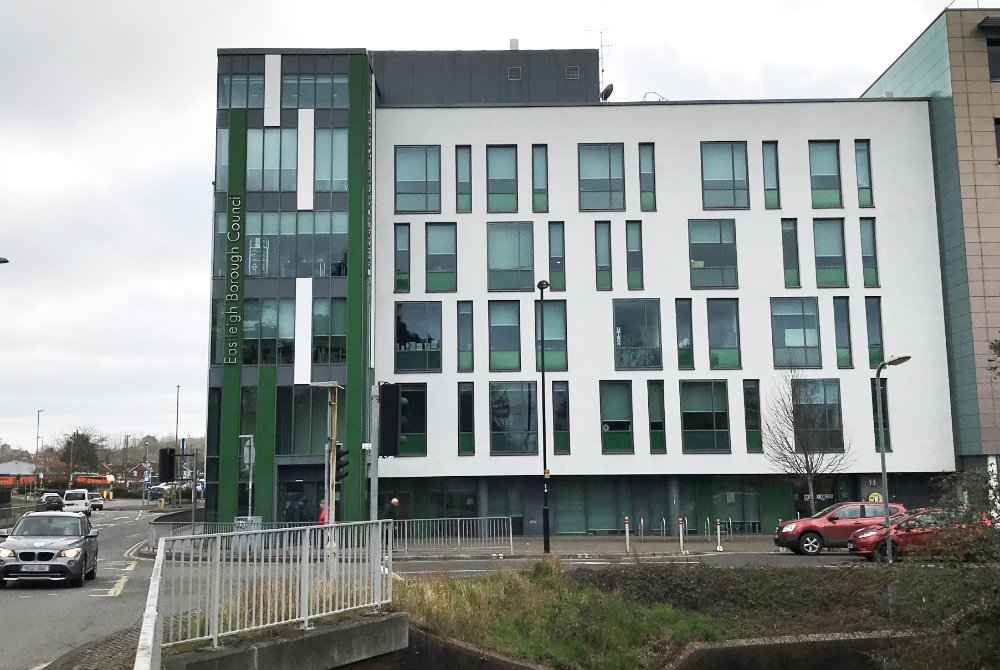
Eastleigh Borough Council now has the 16th highest level of debt per resident of any local authority in the UK, according to figures from the BBC Shared Data Unit.
The analysis shows Eastleigh’s general fund borrowing stood at £578 million at the end of the last financial year, equal to £4,129 for every resident. That is more debt per head than Birmingham, the country’s largest council, which owes £2,785 per person despite serving a population of more than a million.
Eastleigh’s debt per resident is the highest of any Hampshire district or unitary council. Southampton carries £359 million of debt, equal to £1,400 per person, while New Forest has £8.9 million, or £757 per head. Test Valley has just £6 million of borrowing, equal to £44 per resident.
If the government’s planned reorganisation of local government goes ahead in 2028, Eastleigh is expected to merge with Southampton, New Forest and Test Valley to form a new South West Hampshire unitary authority. On current figures the combined debt would be about £952 million. With a population of nearly 700,000, that equates to £1,365 per resident.
If the four councils are merged, this is how the debt burden would shift:
For Eastleigh taxpayers this would mean a dramatic fall in their debt burden, down from £4,129 to £1,365 per head. Southampton residents would see almost no change, with the figure falling slightly from £1,400. But in New Forest the per-person burden would rise from £757 to £1,365, while in Test Valley it would jump from £44 to £1,365.
Nationally, the BBC Shared Data Unit found councils owed a combined £122 billion at the end of March 2025, up £7.8 billion in a year. That is equivalent to £1,791 for every UK resident. Thirty-two councils reported no borrowing at all.
Claire Fawcett, chair of the Reform UK Eastleigh branch, described the borough’s position as “shameful.” She said: ” Reform UK controlled councils have saved over £100 million pounds in 100 days since the May elections. That is what Eastleigh needs — the Reform UK DOGE unit in Eastleigh Borough Council scrutinising the finances line by line to cut out the wasteful spending and make real efficiencies, cancelling the expensive vanity projects, reversing the woeful financial decisions and delivering to put Eastleigh residents first.”
A council spokesperson told Eastleigh News last week: “Our borrowing is subject to important safeguards – put in place both by the Government and internally by the council – that limit us to only borrow an amount that we can afford to repay. Through active treasury management and using a mix of borrowing at a fixed, low, long-term rate and short-term variable debt we have ensured that these safeguards and internal controls continue to be met.
“Our borrowing position has been scrutinised in detail by CIPFA, the professional body for public sector finance, on behalf of the Department for Levelling Up, Housing & Communities, and continues to be audited externally. We have also undergone a Local Government Association corporate peer review, which examined our financial practices in depth. Both reports were positive.”
Eastleigh’s official borrowing figure excludes the One Horton Heath housing project, which is accounted for separately in the council’s housing revenue account. If that debt were included, Eastleigh’s overall borrowing would rise to more than £1 billion.
The research and dataset on which this story is based was produced by the BBC Shared Data Unit and shared with Eastleigh News under the BBC Local News Partnership.
